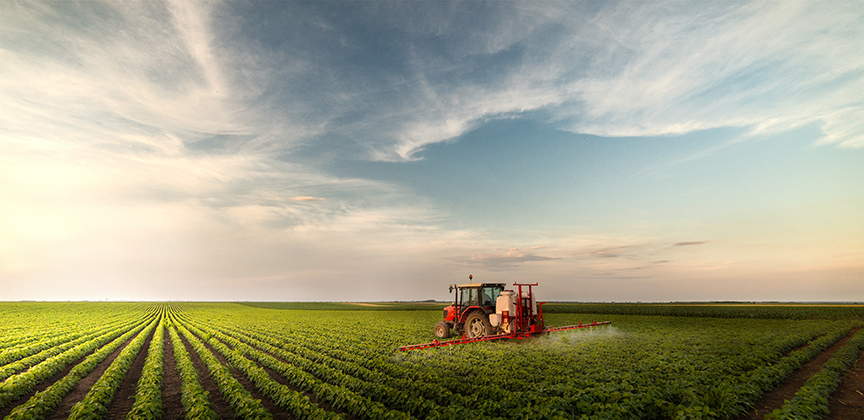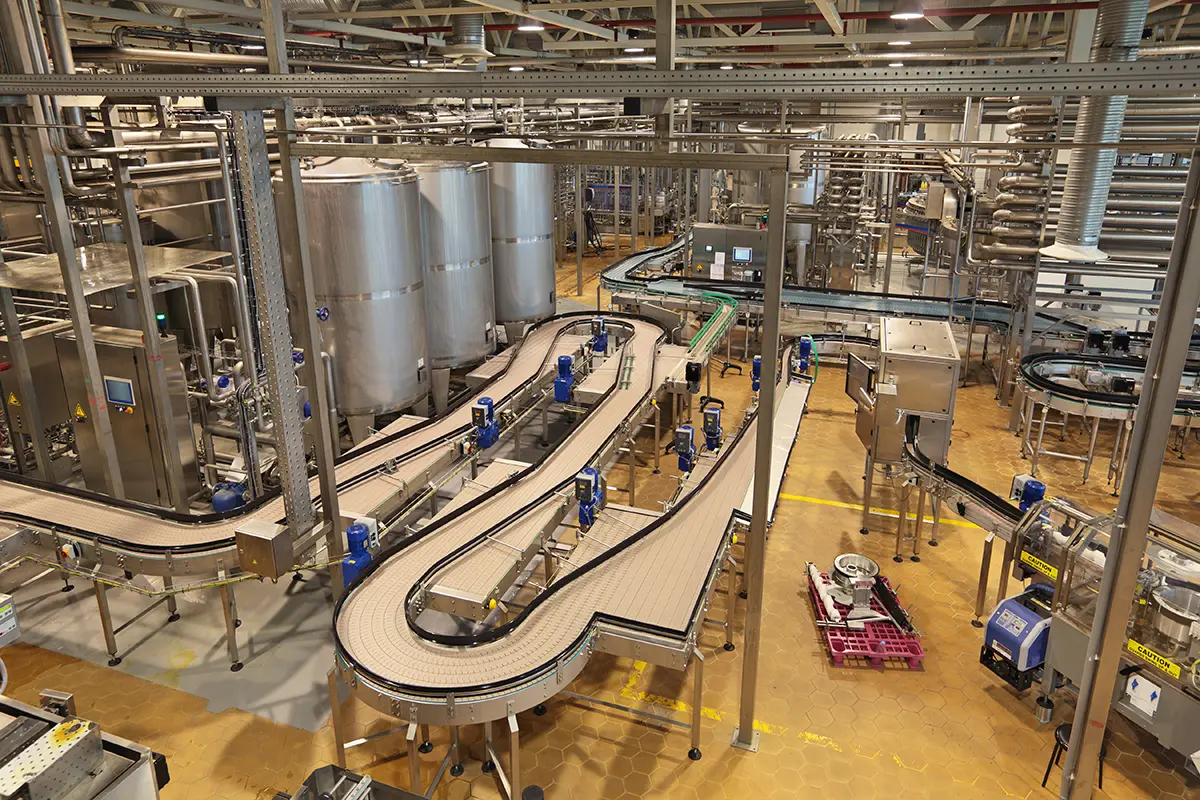

One of our core geographic investment areas is California’s Central Valley, which offers proximity to our team and ideal conditions for our focus on agriculture, food processing, and manufacturing. The region anchors a significant share ofCalifornia’s industrial and agricultural economy, contributing approximately$61.2 billion in 2024 farm cash receipts and supporting hundreds of thousands of farm jobs statewide, with the San Joaquin Valley alone accounting for more than half of the agricultural workforce. It also benefits from California’s large manufacturing sector, with more than 1.2 million manufacturing jobs supporting food processing, logistics, and related industrial activity.Together, these factors create a dense ecosystem of real asset-backed businesses serving essential end markets and generate repeatable middle-market investment opportunities.
Within this ecosystem, many Central Valley businesses, particularly those tied to farming, food processing, and industrial services, remain founder- or family-owned rather than institutionally controlled. Nationally, family-owned and operated farms account for about 95 percent of all U.S. farms, and theCentral Valley reflects this ownership structure across its surrounding service and industrial base. These operators bring deep local expertise and long-standing relationships, and many benefit from flexible growth capital, enhanced financial and operational infrastructure, and structured succession planning. We partner with owners to strengthen these areas by providing capital and operational support while preserving legacy, culture, and local employment.
The region also offers a structurally advantaged cost base compared to coastalCalifornia. CBRE data show average industrial rents of around $0.74 per square foot per month (NNN) versus roughly $1.36 in the Bay Area. BLS data further indicate significantly lower wage levels, with average wages in agriculture-relevant areas such as the San Joaquin Valley at approximately one-third of those in higher-cost coastal hubs. For operators, these structural cost advantages support stronger margins and greater operational resilience.
Finally, geography itself creates durable competitive advantages. The Central Valley produces roughly one quarter of the nation’s food and about 40 percent of U.S.fruits and nuts despite encompassing less than 1 percent of total farmland. Its proximity to farms, processors, and major logistics corridors enables efficient supply chains that are difficult to replicate, making it one of the most compelling middle-market investment regions in the country.