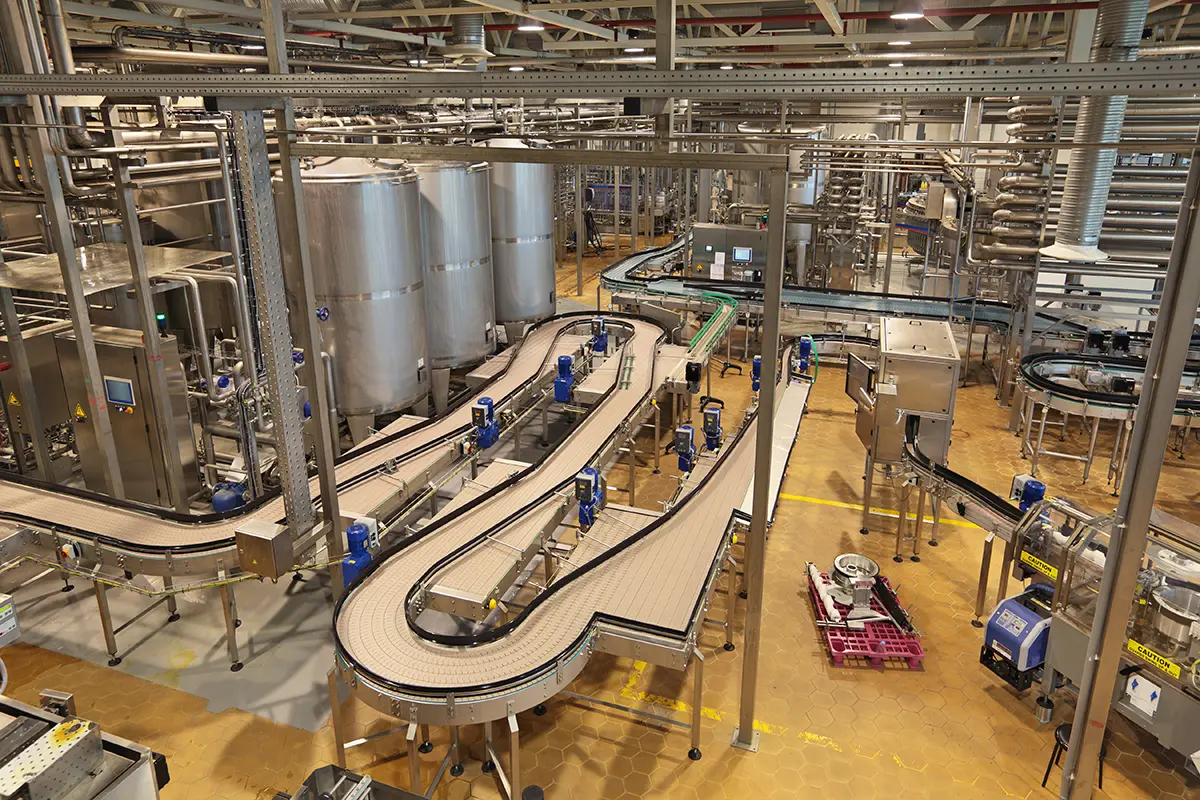
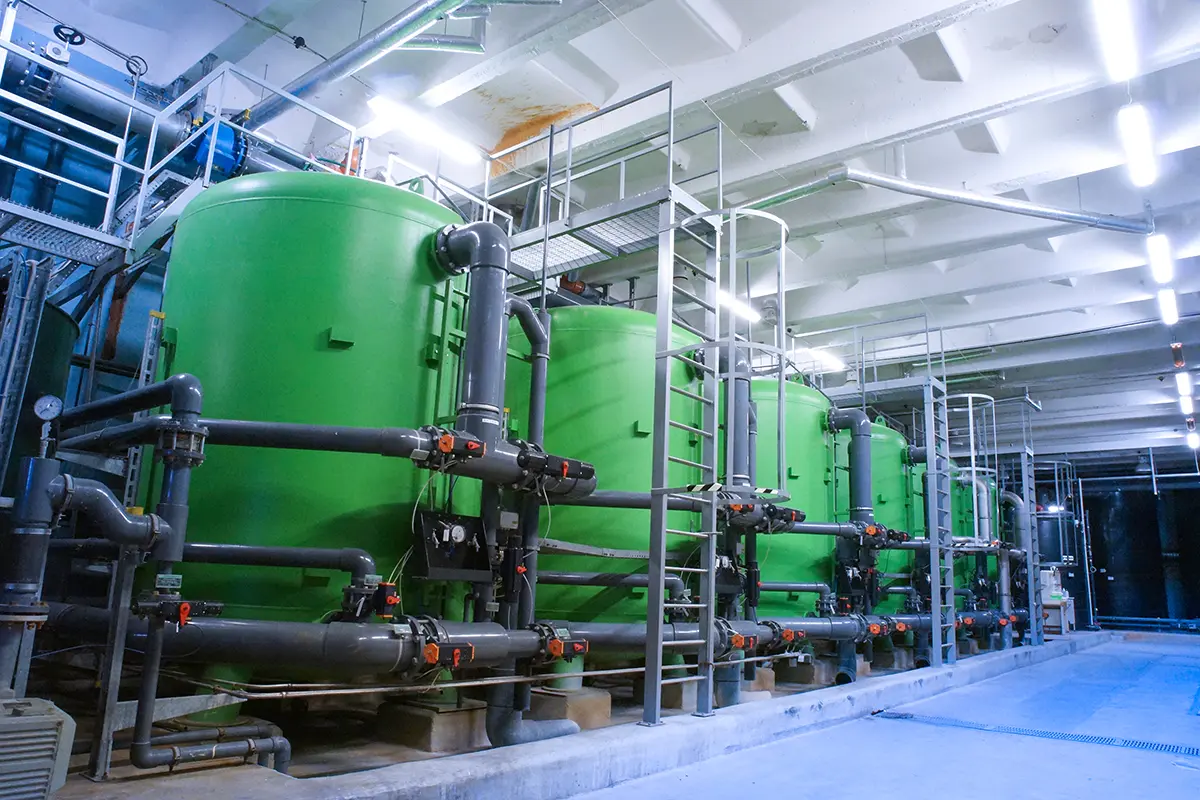
Water is one of the most essential and structurally attractive sectors for long-term investment. The industry combines critical infrastructure with recurring demand and strong long-term growth drivers supported by regulatory and environmental trends. It spans utilities and infrastructure, wastewater and reuse, desalination, testing and monitoring, and industrial and agricultural water management. Within this landscape, we primarily focus on water treatment services and products, as well as testing and analytical services that help municipalities, industrial users, and agricultural operators meet regulatory standards, improve efficiency, and secure reliable supply.
Several structural dynamics reinforce this investment focus. As water demand is non-discretionary, spending is largely driven by compliance requirements, population growth, and asset replacement rather than short-term economic cycles. This results in stable demand and predictable long-term growth drivers, making the sector especially attractive from an investment perspective. In particular, aging infrastructure requires significant investment to maintain and modernize this essential sector, as many water systems are approaching the end of their useful lives. The American Society of Civil Engineers continues to assign U.S. drinking water infrastructure a below-average grade of C-, highlighting decades of underinvestment and the growing need for modernization. The U.S. Environmental Protection Agency estimates that more than $625 billion will be required for drinking water infrastructure investment over the next 20 years, with some states facing needs of up to approximately $5,000 per resident.
Water scarcity, particularly freshwater availability, further strengthens the long-term outlook. This is especially evident in California’s agricultural-critical regions, including the Central Valley, where agriculture accounts for roughly 80 percent of developed water use and annual groundwater overdraft is estimated at nearly 2 million acre-feet. With rising water costs in these areas, reflected by water prices in San Diego more than quadrupling since 2008, the economics of innovative technologies become increasingly attractive. Since 1990, supply volumes from desalination and water reuse solutions have grown approximately fivefold and are expected to continue expanding through 2030 as communities pursue more resilient water systems.
In our view, this combination of essential demand, infrastructure renewal, and scarcity-driven innovation positions water treatment as a highly attractive long-term investment opportunity.